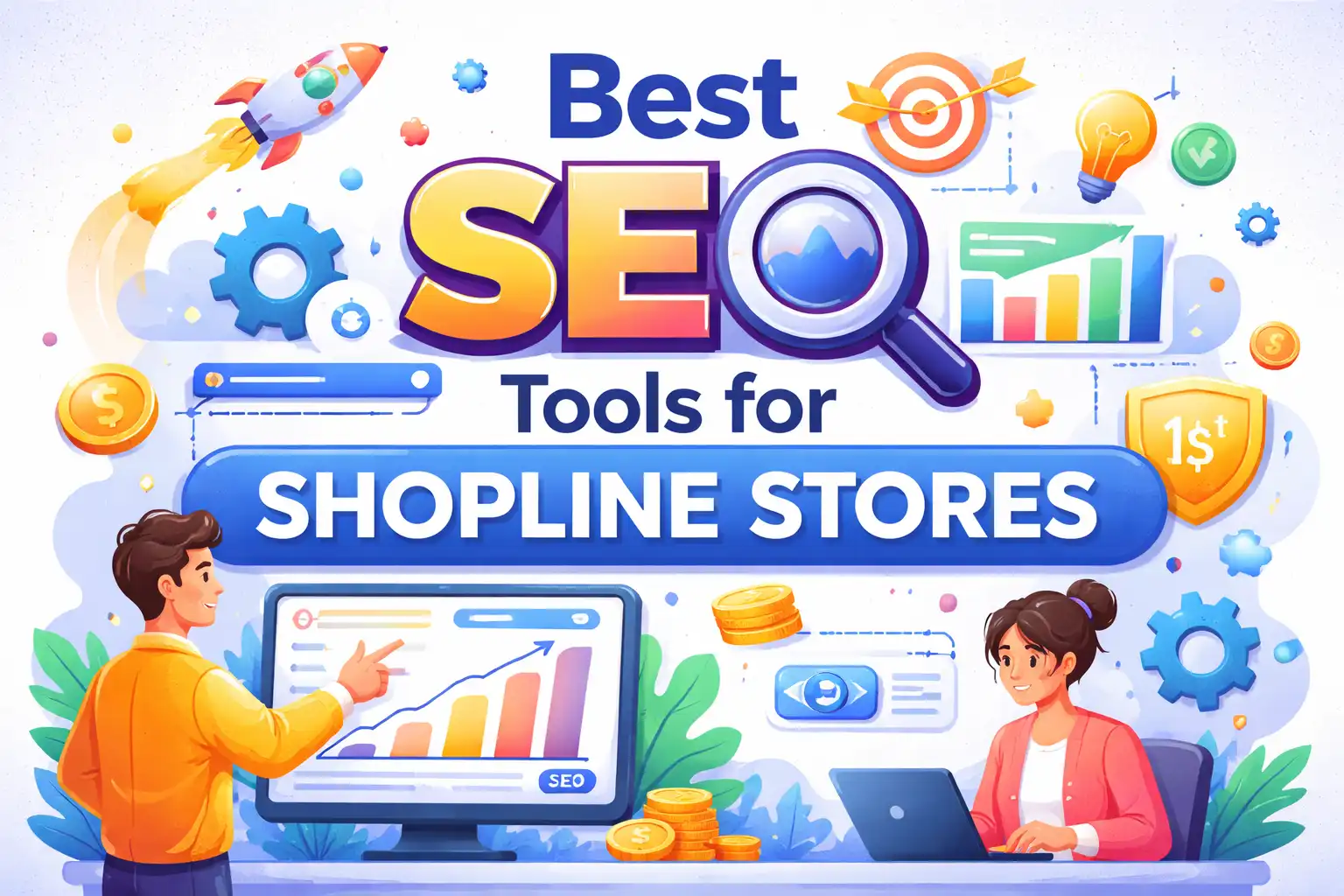
The Best SEO Tool for Shopline Stores
Why I Questioned My Life When Writing Blogs Manually
The most torturous part of manual blogging isn’t the writing itself, but the preparation before writing and the wrap‑up afterward. Topic selection relied on scrolling industry forums; when I saw an interesting subject I’d jot it down, then outline it in a document. The format of each article was inconsistent—some were too colloquial, others too formal. Adding images was the biggest headache; each article took at least fifteen minutes to find and crop pictures. SEO information had to be filled out line by line—title tags, meta descriptions, ALT text—missing any one of them meant the effort was wasted. Finally, I had to log into Shopline, WordPress, and Medium to upload each post individually. I spent 2–4 hours per week manually maintaining blog content, and at the end of the month the click‑through numbers in Google Search Console barely budged.
Later I crunched the numbers: sixteen hours a month were spent on repetitive tasks, yielding only three to five articles. This isn’t a content‑quality issue—it’s that the manual mode itself isn’t suitable for stable, long‑term output. I’m sure many Shopline store owners feel the same. If you’re also stuck in this loop, you can first learn about what SEONIB is and how it differs from traditional AI writing tools. The real turning point for me was the day I logged into the Shopline App Store looking for a time‑saving plugin and discovered that some people were already using automation tools.
Step 1: Let AI Find Topics for Me, No Need to Browse Forums Daily
The first change after moving away from the manual mode was the topic‑selection stage. Previously I scrolled through cross‑border e‑commerce forums, monitored Google Trends, and browsed Reddit, jotting down any topic that sparked discussion. The problem was that I remembered topics I was interested in, not necessarily those with real market search demand. The result was low readership and wasted time and effort.
After AI got involved, I no longer had to worry about topic selection. The system continuously monitors industry trends, competitor content gaps, and keyword search‑volume changes, automatically discovering topics with traffic potential and pushing them into a topic library. For example, today’s topic might be “Optimizing Cross‑Border E‑Commerce Logistics,” tomorrow’s could be “Tips for Improving Shopline Store Conversion Rates,” and the day after that might switch to “Standard Practices for Multilingual SEO.” I just glance at the topic list, pick the most suitable few, and instantly turn them into writing tasks. The system can add 24 new topics per day, eliminating the need for me to manually scan posts. If you’re interested in the exact workflow, see the Industry Hot Topics Blog Writing Guide.
Step 2: Turn Product Links into Blog Posts with One Click – This Feature Is Amazing
This feature was the key that convinced me to fully embrace automation. Until I tried SEONIB, I would input a Shopline product link and it would automatically generate buyer guides, tutorial blogs, and review articles with built‑in SEO optimization, so I didn’t have to fill in title tags or meta descriptions. It works not only with product links but also with keywords, industry trends, social media posts, YouTube videos, and any reference links—all can be turned into SEO‑optimized blogs with a single click.
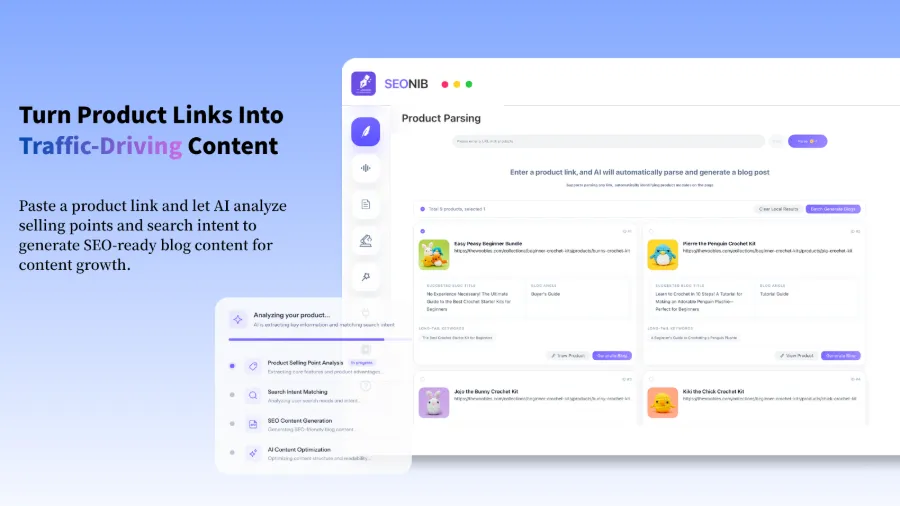
What surprised me most wasn’t just the quality of the articles, but that it automatically inserted purchasable product cards into the body. Supporting 40 languages, I have no multilingual team, yet this feature instantly translates a Chinese blog into English, Japanese, and Spanish, publishing them to the corresponding Shopline multilingual stores without any extra effort. After watching the demo video you’ll understand that turning a product link into an AEO Q&A article with shopping cards takes only seconds. For detailed steps, see SEONIB’s 5 Ways to Auto‑Generate Blog Posts.
Step 3: Set the Schedule, AI Publishes Itself, I Just Relax
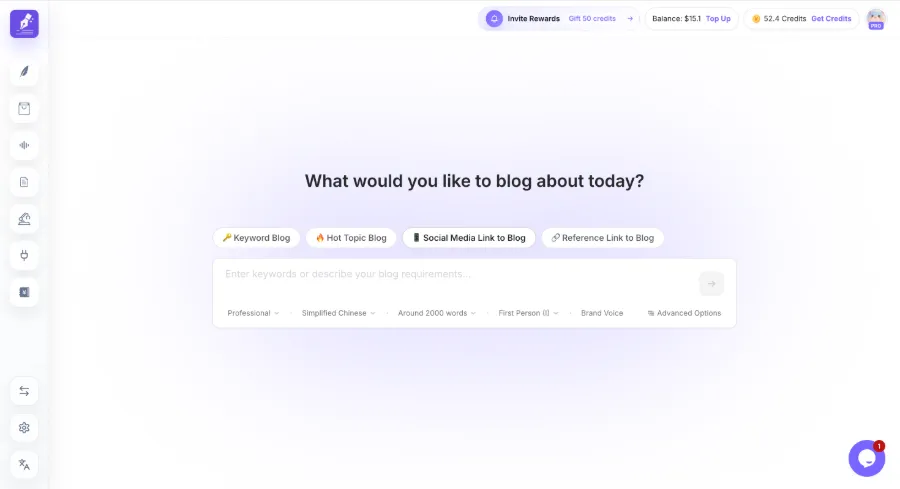
The final step of automation is publishing. Previously, after writing an article, I had to log into the Shopline backend, paste, format, check the layout, then copy it to Medium and the brand website—three repetitions. Now I set the publishing frequency once in SEONIB: one post each on Wednesday and Friday, all published to the Shopline store and simultaneously synced to WordPress and the brand blog site. After setting the scheduled task, the AI continuously follows the plan; checking the content calendar each day shows which posts are already published and which are queued. Content no longer serves just Google rankings—many buyers now ask questions via ChatGPT, SearchGPT, or Perplexity, so your content must be crawlable and understandable by these AI search engines. SEONIB’s AEO (AI Engine Optimization) addresses this need.
The real ROI of automation isn’t writing a few more articles; it’s reclaiming the time spent on repetitive tasks to focus on truly important work. For example, I now have time to research product pricing strategies, respond to customer inquiries, and optimize Shopline store pages. After no longer being shackled by content production, organic traffic has steadily risen. If you also want to build a similar automated workflow, SEONIB’s help documentation is quite clear, covering everything from integration setup to content strategy.
FAQ
Q1: Can SEONIB connect directly to my Shopline store?
Yes. SEONIB supports native Shopline integration; you just need to complete the authorization configuration in the backend, and the AI‑generated content will be pushed directly to your Shopline blog module without manual copy‑pasting.
Q2: Will automatically generated content be flagged as spam by search engines?
It depends on how you use it. Every article generated by SEONIB undergoes SEO‑structured processing, including title tags, meta descriptions, internal and external link configuration—not the kind of bulk‑produced filler content. In my experience, rankings in Google Search Console have not dropped despite the increased volume.
Q3: I have no SEO background—can I still achieve rankings with this tool?
The tool embeds SEO standards; titles, descriptions, and keyword density are automatically set. You don’t need to understand H1 tags or schema markup; just focus on topic quality and content direction, and the technical aspects are handled by the tool.
Q4: Can the generated blogs be customized to match my brand’s style?
Yes. SEONIB allows you to configure a brand knowledge base and asset library. By entering brand descriptions, common terminology, and product information in the backend, the AI adjusts the tone and wording of the articles accordingly, avoiding generic, one‑size‑fits‑all content.
Share Article