
How Small Teams Publish Content Daily While Big Companies Still Need Layered Approvals
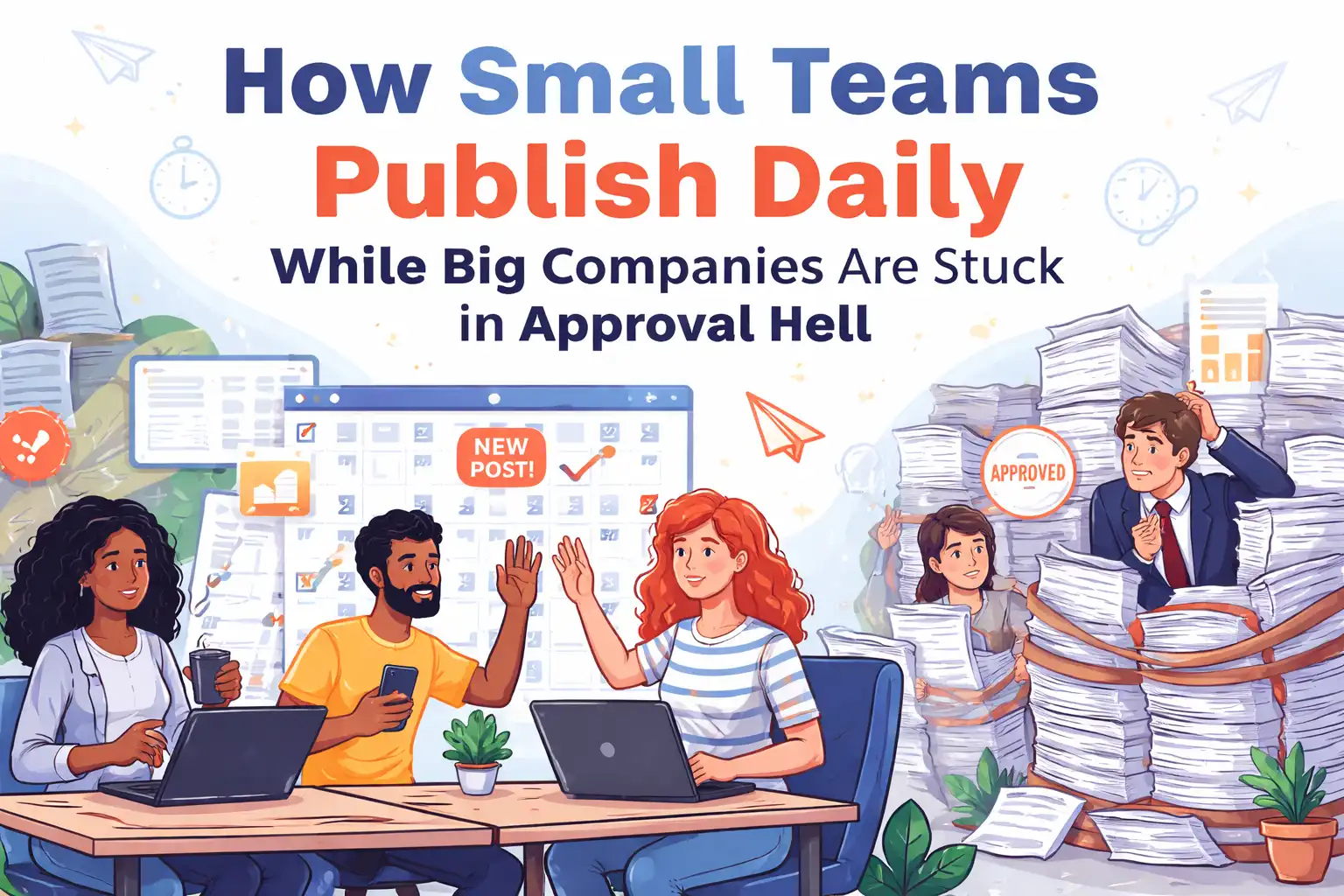
Have you noticed this phenomenon? Best SEO Tools Guide Those small teams of only one or two people update their sites at an astonishing rate, producing new articles and product pages almost every day. In contrast, a large company with a content team of dozens may update its main site only two or three times a month. This isn’t because small teams work harder; it’s because their content workflow from idea to publication is extremely short. According to an industry survey, 92% of content creators say decision‑making and approval processes are the biggest killers of content production efficiency. This article will break down the structural advantages of small teams and how their toolchains make big‑company processes look like dinosaurs.
Structural Advantages of Small Teams: Flat Decision‑Making and Low Coordination Costs
A small team’s biggest weapon isn’t a tool; it’s the organizational structure itself. One person can decide “write this today” and execute immediately, without waiting for legal to finish brand‑guideline review or for the marketing director to sign off. I’ve seen a Shopify seller who, in the morning, noticed a sudden rise in search volume for a product in the backend, wrote a buyer’s guide by noon, and published it that afternoon. The whole process took less than six hours. The same scenario in a large company would involve the marketing department drafting a topic brief, the product team confirming factual accuracy, legal reviewing compliance risks, the brand team aligning messaging, and finally scheduling the release for the following week.
This low coordination cost also brings a more hidden advantage: small teams can stay close to customer feedback and data. Customer emails, comment‑section messages, social‑media DMs—these signals can become the next article’s topic without going through a data‑analysis team’s reporting pipeline.
For brand‑up zero‑budget teams, you can refer to this article on achieving SEO growth from scratch to learn how to set up an initial system. Additionally, this piece explains from a business perspective why choosing automation tools to acquire customers speeds up growth. There are also external case studies on how a brand‑new site with zero backlinks can win the starting line with the right idea. ZeroBacklink New Site Case
But structural advantage is only the foundation. Surprisingly, the same small team can double its publishing efficiency after using automation tools like SEONIB. Automation amplifies the leverage effect of flat decision‑making—fast decisions plus fast execution create a compound speed that large companies can’t match.
How Automation Tools Level the Playing Field: A Frictionless Pipeline from Idea to Publication
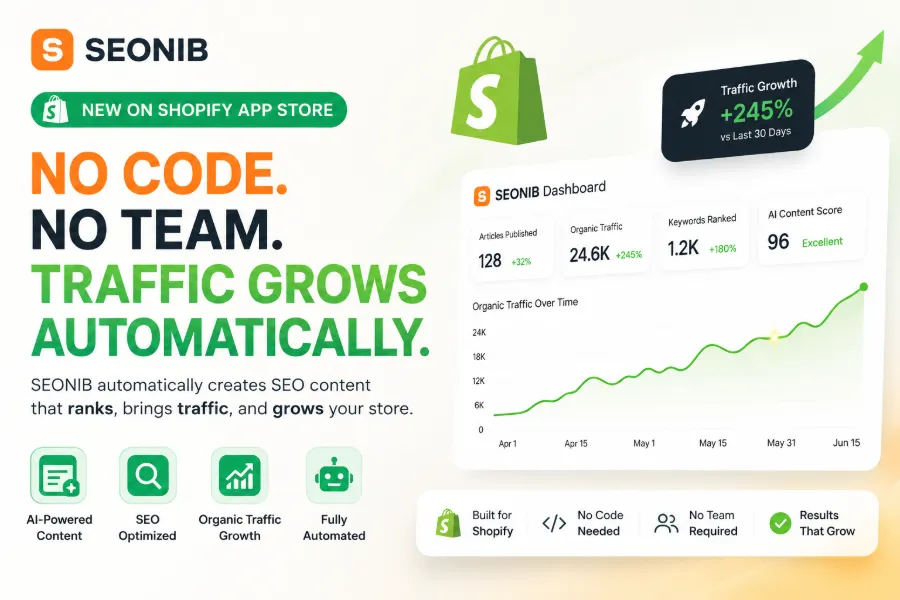
Small teams use automation to handle repetitive tasks, compressing the whole process from topic discovery to content go to almost zero friction. Connect WordPress with SEONIB In large companies, the manual workflow for these steps is both slow and expensive: marketers manually scan industry news for topics, open ChatGPT to generate a draft, copy‑paste into the CMS, manually add images and SEO metadata, then log into each social platform to distribute. Each step seems quick, but accumulated they can take two to three days from idea to live article.
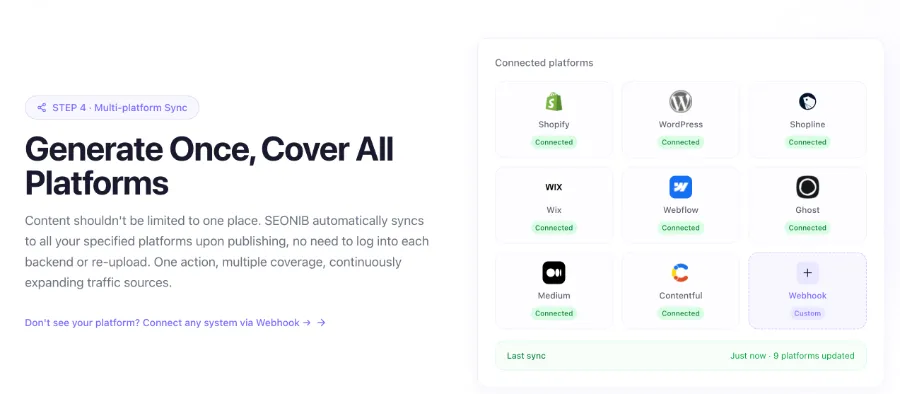
A typical automated pipeline works like this: the tool continuously monitors industry trends and competitor content, automatically identifies high‑potential keywords and topics, and pushes them to your topic pool. You simply pick a topic, and AI generates a fully structured, SEO‑optimized article, including title, meta description, and internal‑link suggestions. Then you set the publishing frequency—daily or every other day—and the system handles everything else. After publishing, the content automatically syncs to all linked platforms.

Industry data shows that small teams using an automated content pipeline see an average 154% increase in output. The tool doesn’t replace creativity; it unleashes it—small‑team members shift from “writers” to “content strategists,” focusing on topic selection and strategic adjustments rather than mechanical production.
The Scale Trap: Why Big Companies Struggle to Consistently Produce High‑Quality Content
When scale grows, speed actually slows down. This isn’t a paradox; it’s an inherent rule of organizational structure. Risk‑avoidance processes in large firms require every piece of content to pass through legal, brand, and PR reviews, causing content to lose timeliness and edge.
I witnessed a typical case: a massive Shopify store’s marketing team prepared a “Black Friday Shopping Guide” in early October, with excellent quality and solid data. Publication, however, required three rounds of approval: brand checked wording compliance, legal verified promotional term liability, and product confirmed inventory information. After three rounds of revisions and communications, the guide finally went live in mid‑December—well after Black Friday had ended. The piece generated almost no traffic because users had already made purchase decisions before it was published. In companies with marketing teams larger than 50, 68% of people consider content approval processes the biggest bottleneck—a figure that isn’t exaggerated.
Coordination cost is only the surface issue. A deeper conflict is incentive misalignment: content teams aim to “complete tasks” rather than “drive traffic.” When performance metrics reward “published 15 pieces this month” instead of “how much search exposure those 15 pieces generated,” content inevitably drifts toward mediocrity. Large firms also have rigid technology and process structures—making a single content‑strategy change in a big CMS can take weeks from proposal to execution.
In contrast, SEONIB’s connection to WordPress and other CMSs takes only minutes to configure. Detailed setup guides are available for linking a WordPress site to an automation tool. Help documentation For technical teams, HTTP API push and integration guides also provide more flexible integration options.

Here’s a less obvious observation: a small team’s real competitive edge isn’t “speed,” but “more opportunities to make mistakes and learn.” They can publish five pieces of varied‑style content in a week, quickly testing which headlines, structures, or content types get the best feedback. Once a piece performs well, the next week they produce more content with a similar structure. Large companies can only gamble on one piece at a time because each piece’s approval and coordination costs are too high.
From Single Content to Knowledge Base: Building a Sustainable Growth Engine
The final piece of the puzzle for small‑team success isn’t chasing a single viral hit; it’s systematically building a continuously growing knowledge base. Using automation to link individual product pages, blog posts, and FAQs into a “topic authority” cluster signals to Google and AI search engines (including Google AI Overviews, Perplexity, ChatGPT, etc.) that your site is an expert in a field, earning higher search visibility.
A real example illustrates this well: a two‑person team started from zero, used automation tools and a content‑cluster strategy, and within six months was publishing an average of 30 high‑quality blog posts per month. Their approach was simple: pick a vertical niche, build a topic matrix around core keywords—each new piece links to existing articles, forming an internal‑link network. Google recognized the site’s systematic depth on a particular topic and awarded higher authority scores. By month six, the site’s organic search traffic showed a clear upward curve.
Another less obvious insight: automation’s value isn’t just time‑saving; it turns the tool into a “second brain” or “content operating system” for small teams, shifting them from content producers to content strategists. When you no longer have to write every article yourself, you can focus on higher‑value tasks: data analysis, trend discovery, and strategy optimization. A comprehensive breakdown of SEONIB’s features provides more detailed functional explanations. External discussions on SEONIB’s feature decomposition are also available for reference. For deeper operational details, consult the help documentation.
FAQ
Q1: What is the core difference between small teams and big companies in content production?
The core difference lies in the length of the decision chain. Small teams need only one or two steps from idea to publication, while large companies typically require approvals from marketing, legal, brand, product, and other departments. The speed gap is determined by organizational structure, not manpower.
Q2: How can we ensure that content generated by automation tools does not drop in quality?
The key is strategy, not the tool itself. Set clear brand guidelines, topic scopes, and quality standards; conduct regular spot checks of output; and use data (search rankings, click‑through rates, dwell time) to back‑track and adjust content strategy. Automation needs human rhythm calibration.
Q3: Where should a small team start when building a content system?
Start with the vertical you know best. Choose 3‑5 core seed keywords and use automation to generate content around them, forming an initial content cluster. Prioritize product‑related topics with clear search intent, as they more easily attract commercially valuable traffic.
Q4: Can big companies emulate the efficiency of small teams?
Yes, but they must prune. Simplify approval workflows, reduce decision nodes, and establish rapid‑fail mechanisms. Some large firms outsource content production to small external teams or single‑tool squads, effectively shortening the decision chain.
Q5: Will automated content affect a website’s professionalism and brand tone?
If you remove all human oversight, there is indeed risk. The proper approach is to let automation handle repetitive content (product descriptions, FAQs, news‑type blogs) while reserving deep analysis, brand storytelling, and opinion pieces—those requiring a unique perspective—for human writers. A hybrid model achieves a good balance between professionalism and speed.
Share Article