Search Is No Longer Just on Google: A Veteran SEO's Confession
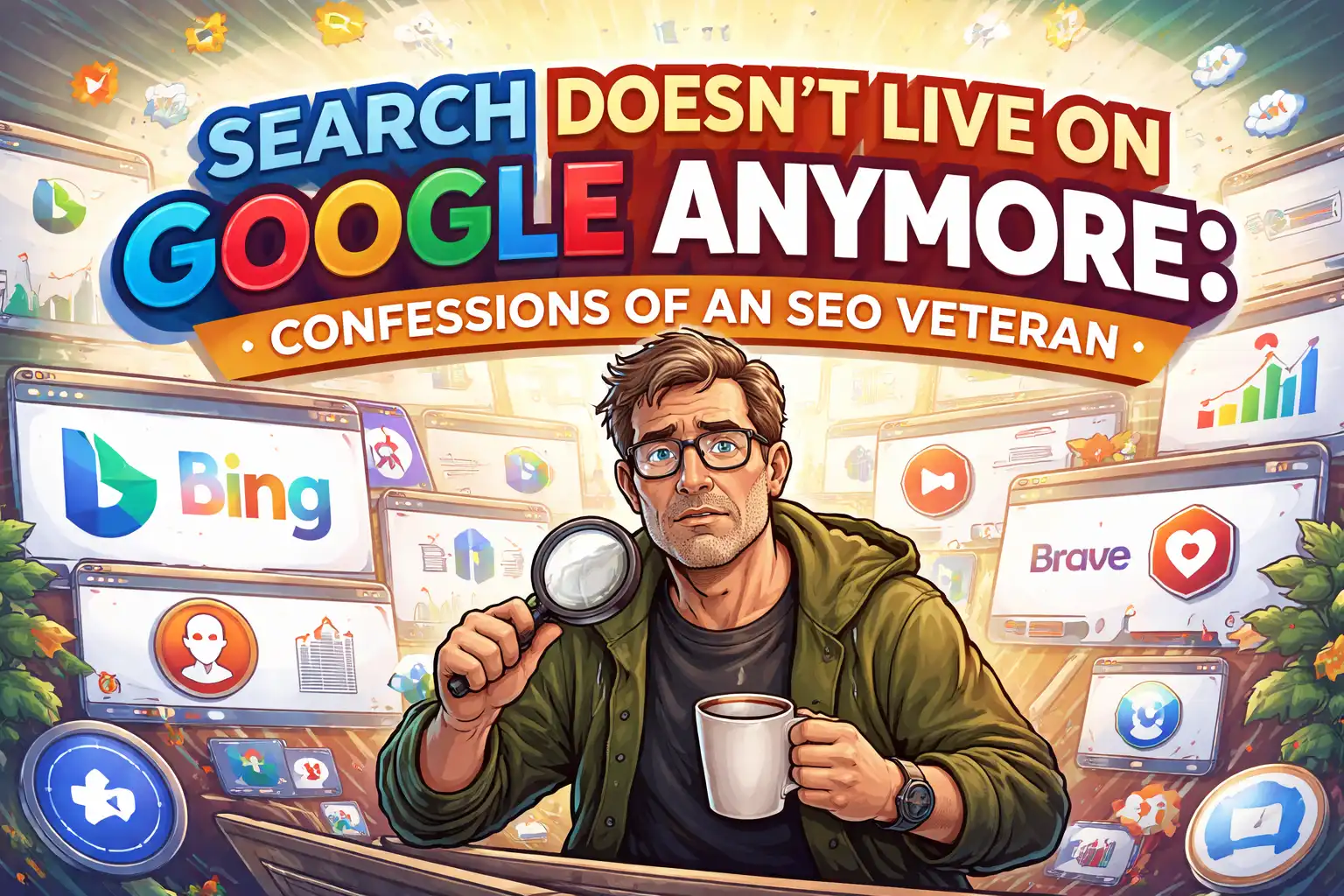
I spent a full three weeks pushing a keyword onto Google’s first page, excitedly sent the screenshot to the client, and they replied, “Oh, I didn’t search on Google, I saw the review on TikTok.” In that moment I realized the search landscape had already changed, while I was still naïvely guarding my tiny piece of Google. In this article I want to explain the multi‑platform search strategies that I have personally tested and worked, and also vent a bit about the detours I’ve taken.
Today, users’ decision‑making paths have shifted from a single Google search to multiple platforms: discovery on TikTok, learning on YouTube, trust on Reddit, purchase on Amazon, and integration with AI. Data shows that 60 % of Google searches receive no clicks, and 70 % of searches happen outside Google. This forces content strategies to cover every key platform in the user journey.
Why “Google‑Centric” Makes You Work in Vain
Phone usage reached 100 million users in 75 years, mobile phones in 16 years, TikTok in just 9 months, and ChatGPT in only 2 months. Users’ search behavior has permanently changed, yet most businesses still cling to rules from a decade ago.
Do you think ranking first on Google’s homepage means you’ve won? The client never even saw you. Over 60 % of Google searches now generate zero clicks—users get the answer directly from AI overviews or featured snippets and never scroll down. Meanwhile, 70 % of search activity happens outside Google: picking a restaurant on TikTok, checking reputation on Reddit, price‑matching on Amazon, asking for recommendations on ChatGPT.
The problem is that each platform triggers a different mental state. On TikTok you’re in “discovery” mode and need visual stimulus; on YouTube you’re in “learning” mode and are willing to watch a 20‑minute deep dive; on Reddit you’re seeking “trust” and want authentic user anecdotes; on Amazon you’re in “decision” mode, and whether you buy depends on whether someone has done the homework for you. Using the same set of content across all platforms is essentially wasted effort.
In 2024 I spent a whole three months obsessively improving a keyword’s Google ranking—tweaking internal links, meta descriptions, Core Web Vitals. The client told me he bought a competitor’s product because he saw a review video on TikTok, then confirmed the reputation on Reddit, and finally ordered on Amazon. He never searched for that category on Google. Those three months were pure waste.
If you’re still hesitating about stepping out of Google’s comfort zone, consider whether these investment directions are worth it—return rates differ across channels.
Step One: Switch from “Ranking Obsession” to “Platform Mindset”
I used to focus only on Google rankings; now I have to infiltrate each platform like a spy and understand exactly what users are doing there.
TikTok users are looking for “inspiration”—how to use the product, how others combine it. YouTube users want “knowledge”—detailed tutorials, spec comparisons, usage experiences. Amazon shoppers have one thought—“buy”—price, reviews, logistics; if it’s better than the competition, they’ll click. People asking ChatGPT are essentially looking for shortcuts, letting AI synthesize conclusions for them.
You can’t apply a single content template to all platforms. A one‑minute serious product explanation on TikTok will likely get zero views; the same content turned into a 20‑minute YouTube deep‑dive could go viral. I have repeatedly validated this contrast in practice.
Identify the platform where your target customers are most likely to make decisions, then concentrate resources there. If your client is a small‑business owner, LinkedIn may be more important than TikTok. If your client is Gen Z, ignoring TikTok is like not existing.
Step Two: Let AI Help You “Discover” What to Write, and Then Write It for You
Manually finding topics is painfully slow. I used to spend half a day scrolling through industry news, monitoring competitors, and scanning forum posts just to surface a few viable topics. Then I discovered that AI‑driven trend monitoring can capture hot topics in real time, freeing up energy for more important work.
After trying it, I handed most of the repetitive work to SEONIB—any source you input can automatically generate an SEO article. Keywords, product links, social posts, reference links—all supported, 40 languages, and brand tone stays consistent. Writing an article manually takes 2 hours; the automated version takes only a few minutes, saving over 80 % of the time.
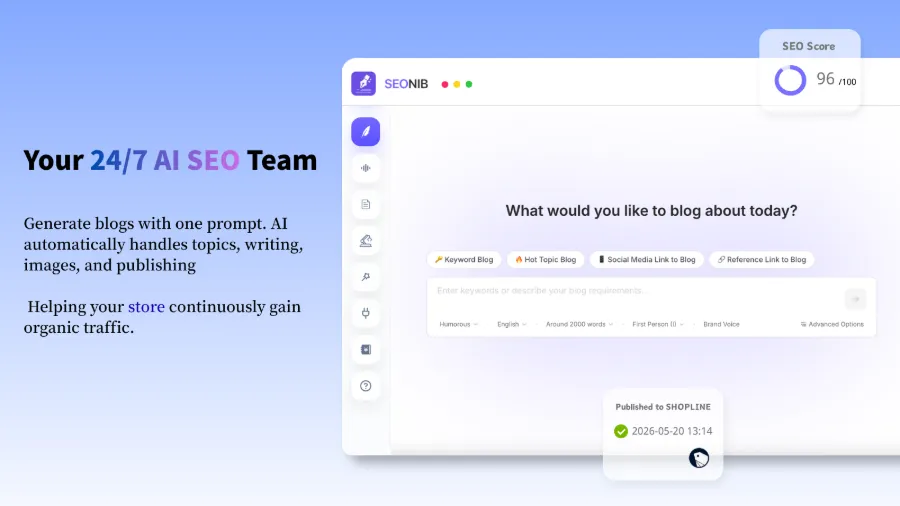
What surprised me most is that automation isn’t meant to “replace human writers,” but to “replace repetitive labor”—freeing mental bandwidth for strategy and differentiation instead of battling the cursor every day. For example, I can turn a product link directly into a buying guide and review article with a single click, skipping manual framework building and image sourcing. This practical article shows the exact workflow and can serve as a reference.
Step Three: Create Once, Sync Across All Platforms (True Liberation)
Previously, publishing a piece of content meant logging into five different platforms, editing, formatting, adding images, and adjusting layouts. From Shopify to WordPress to Medium, every step required manual copy‑pasting. One article took at least 15 minutes to juggle; an extra half hour was normal.
With automatic syncing, you generate a piece of content once and push it to every platform with one click. I used to be the mover‑and‑shaker; now AI is the mover‑and‑shaker.
The workflow is simple: after entering a product link, AI automatically generates an SEO blog and syncs it to Shopify, WordPress, Shopline, and other channels. Brand information stays unified, avoiding fragmented content across platforms.
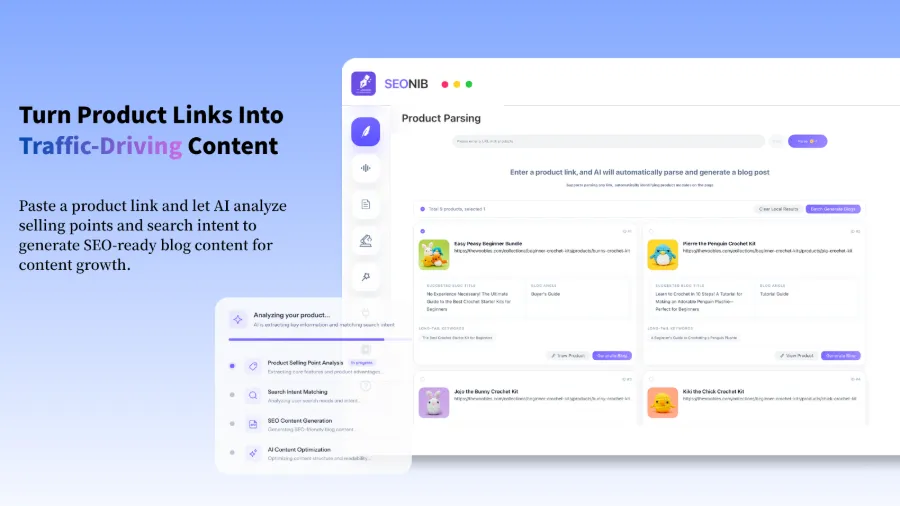
Multi‑platform syncing also solves a hidden problem: brand consistency. Inconsistent tone and style across platforms confuses users, which sends a negative signal to AI search crawlers and undermines trust.
Step Four: Set a Frequency and Let the Content “Run Itself”
The hardest part of content marketing isn’t creating one or two pieces; it’s maintaining a steady output. Most teams can stay consistent for a month; fewer than 10 % make it past six months.
After setting a publishing calendar, AI automatically generates and publishes on schedule, no daily logins required. A plan for ten pieces per month would take roughly ten hours manually, but the automated setup only takes ten minutes. The remaining time can be spent on data review and strategy tweaks.
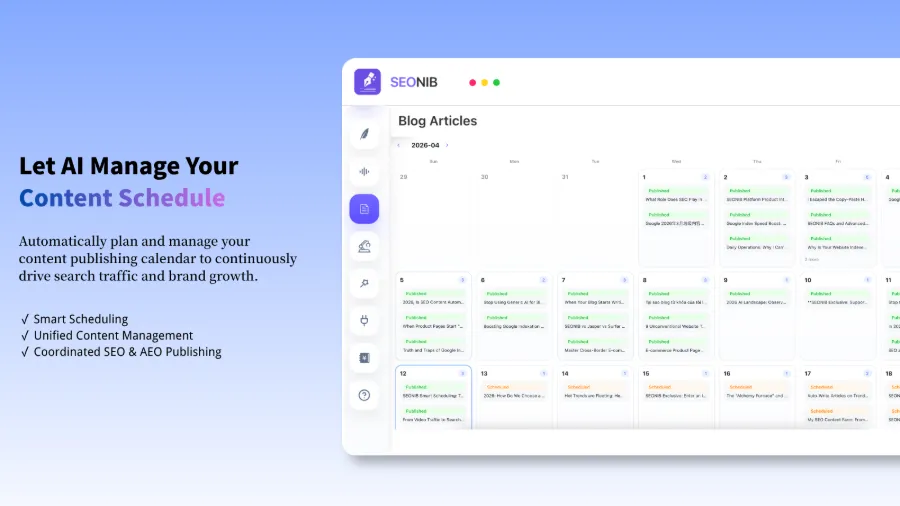
SEONIB’s scheduler supports daily, weekly, or custom frequencies, delivering content like clockwork. After I set a rhythm of three pieces per week, the content library grew noticeably faster, and natural traffic started to climb after two months.
If you’re interested in the “reference‑link‑to‑blog” strategy, dive deeper. The correct approach to ongoing content is to let the system do the heavy lifting, not to rely on willpower.
Finally, all the details of the automation features are in the official help documentation, which is perfect for anyone who wants to learn the workflow in depth.
FAQ
Q1: Do I need to write separate content for each platform in multi‑platform SEO?
Not necessarily. Core content can be reused, but you need to adapt the expression format and length per platform. TikTok needs short videos, YouTube can use long‑form text with screenshots, Reddit requires first‑person authentic experiences. The underlying information stays the same; the packaging differs.
Q2: Will AI‑generated content be penalized by search engines?
Search engines penalize low‑quality, non‑valuable content, not AI generation per se. The key is whether the content adds informational value, is original, and satisfies user intent. With human review and brand context, quality can fully meet standards.
Q3: I don’t have enough time to manage multiple platforms—what should I do?
Automation solves this problem. Set up publishing rules and a content calendar once; the system handles the rest. You only need about 30 minutes per week for content review and strategy adjustments.
Q4: My target audience is mainly on Google—do I still need other platforms?
At least cover one social or video platform. Google users also verify information elsewhere, especially before making a purchase. If a prospect sees your brand on TikTok, they’re far more likely to click when they later search on Google.
Q5: Will automation make my content lose its human touch?
The tool itself doesn’t erase humanity, but laziness can. The key is how much brand context and strategic guidance you inject. Automation handles repetitive tasks; creativity and differentiation decisions remain human responsibilities.
Share Article